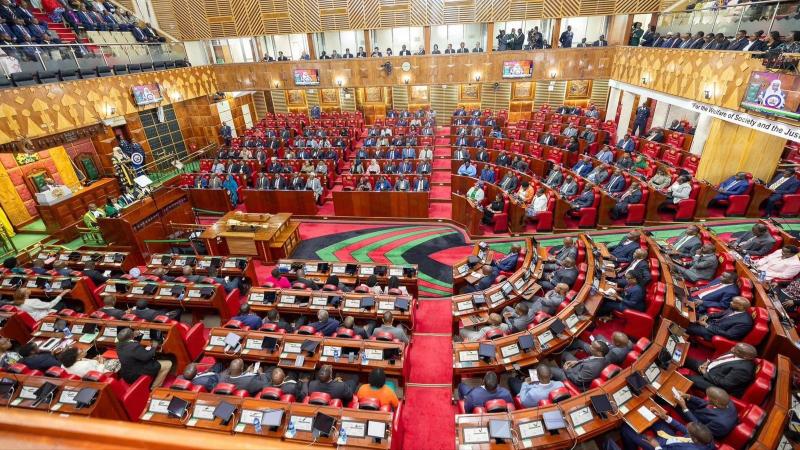
Lawmakers have rejected the proposed music and audio-visual tariff framework covering 2026–2028, urging the Ministry of Youth Affairs, Creative Economy and Sports to rework the regulations over concerns that they could be legally flawed, costly to the public, and introduced without sufficient public input.
MPs warned that if the current draft is not adjusted, it could be thrown out in court and disrupt multiple sectors that rely on music for daily operations and events.
The disputed tariffs were published in Kenya Gazette Supplement No. 6 under Legal Notice No. 4 of January 29, 2026, and introduce charges across political, commercial and public service spaces.
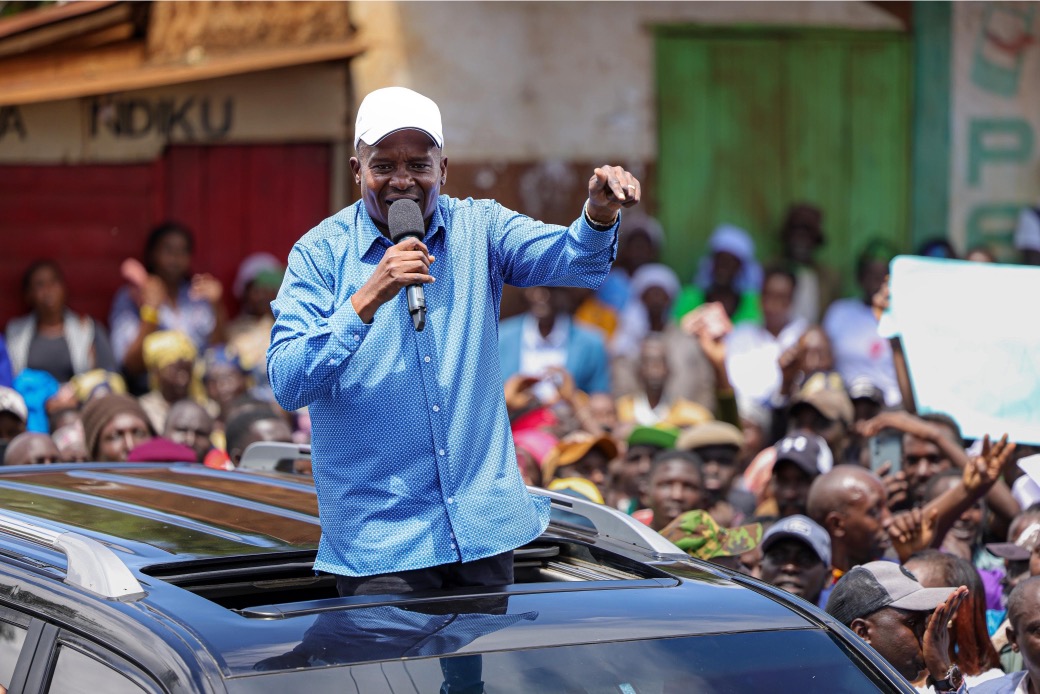
One of the most controversial proposals is a Sh500,000 fee for presidential campaign events that use music, which has drawn strong criticism from legislators who argue the cost is excessive and unfair.
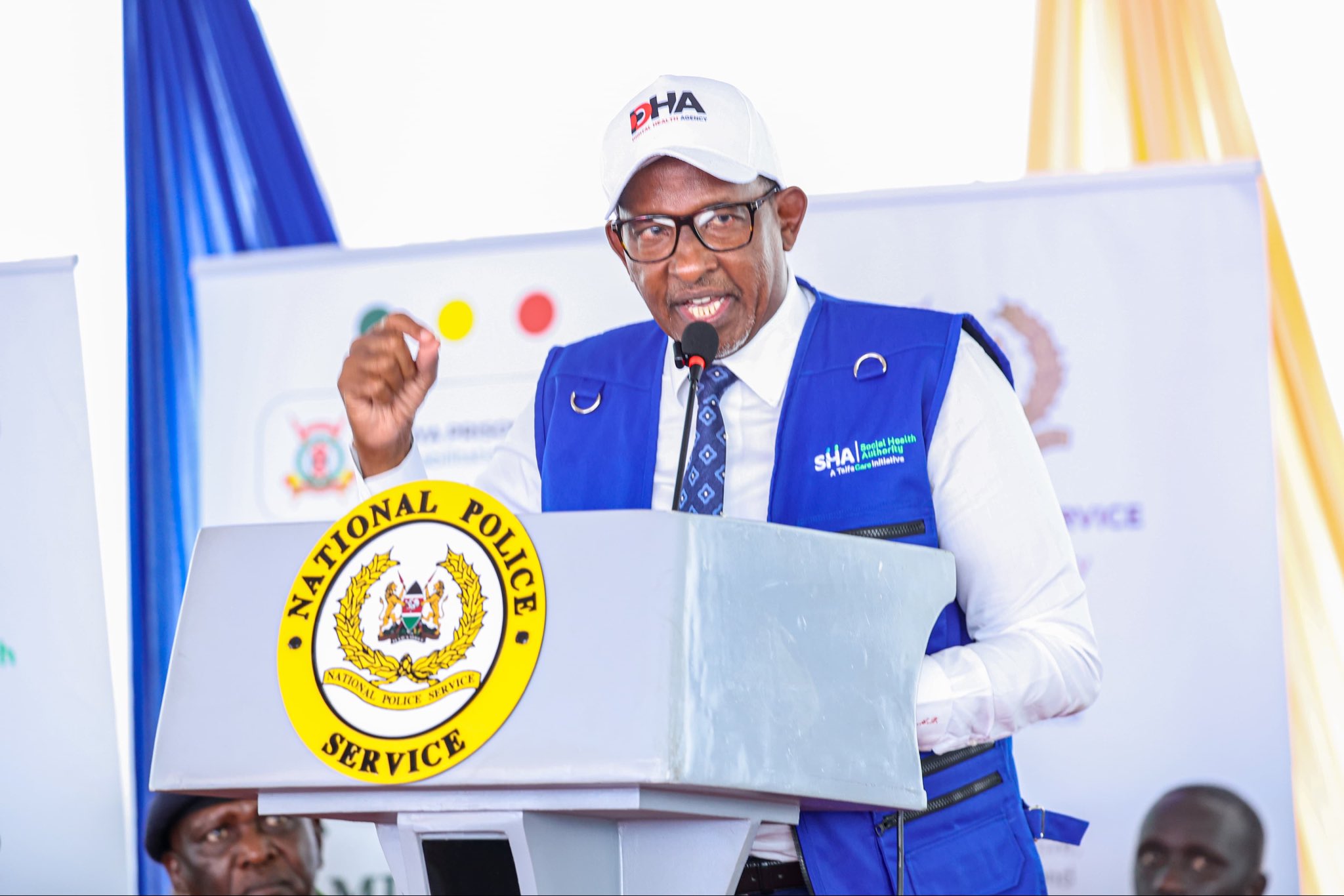
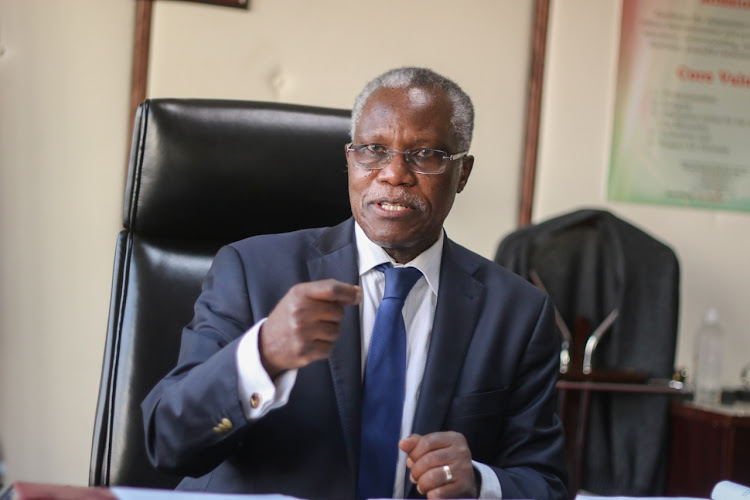
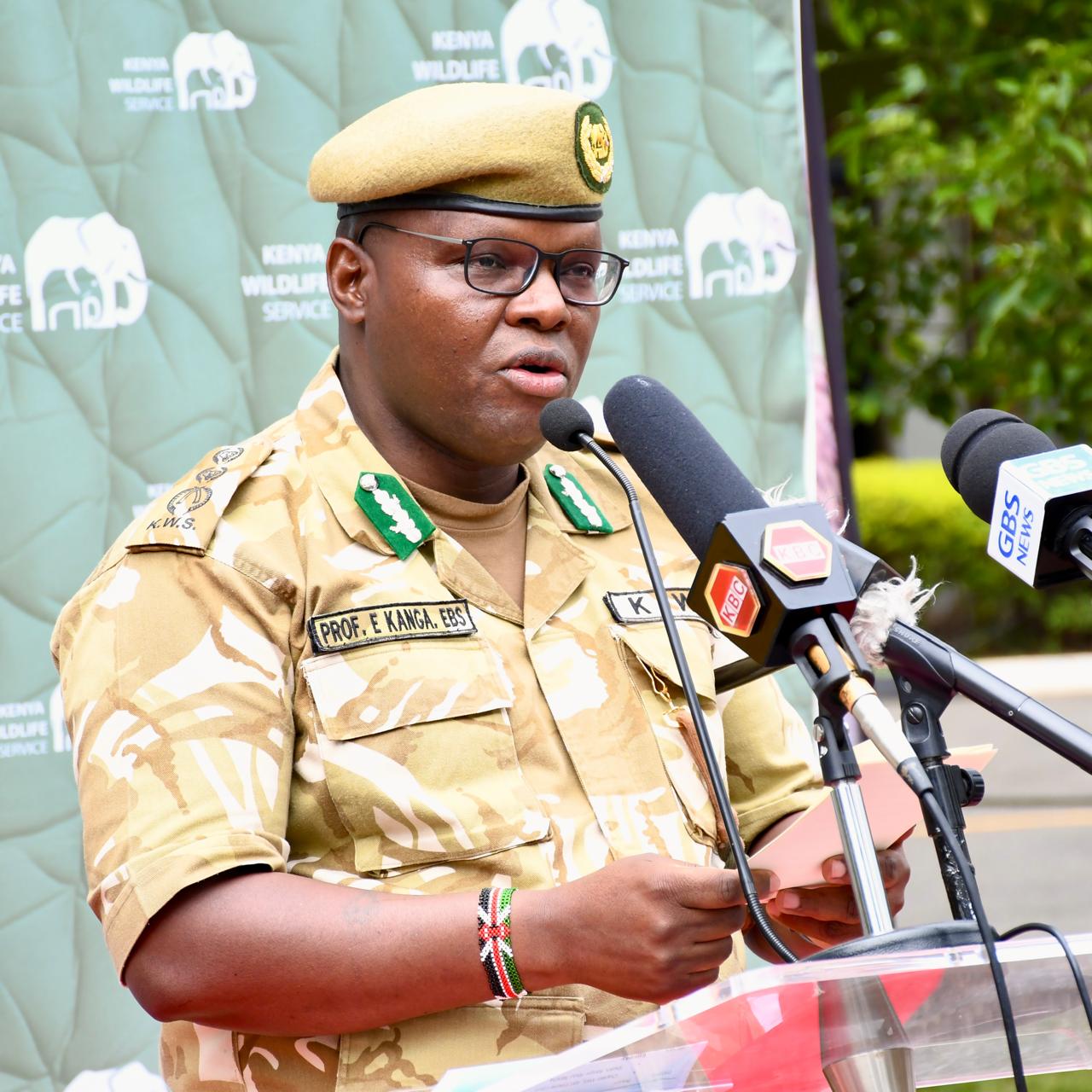
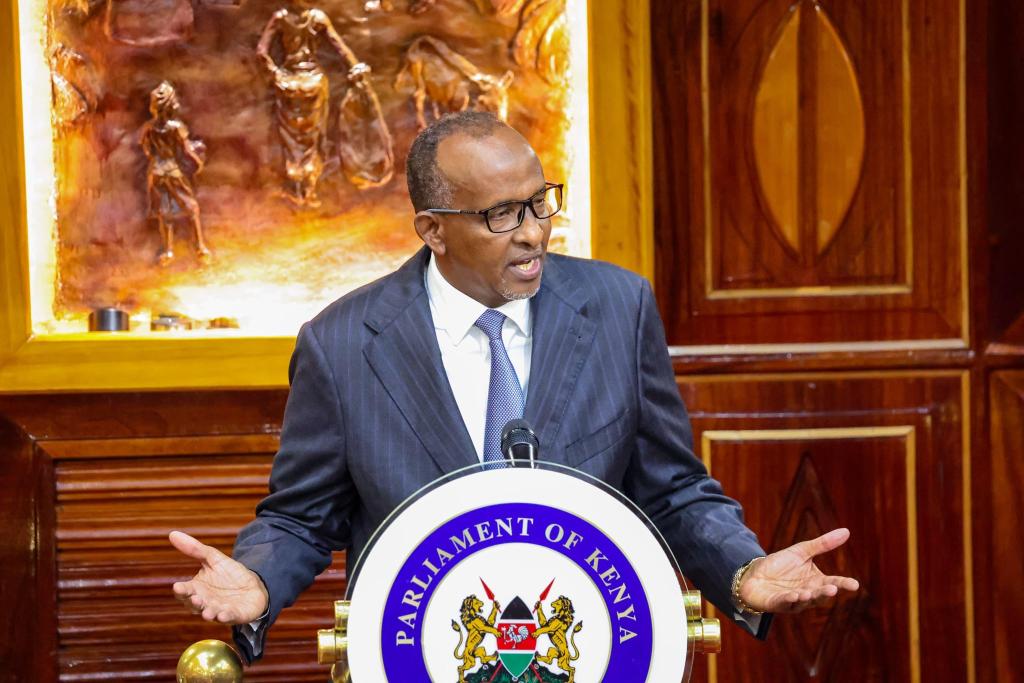
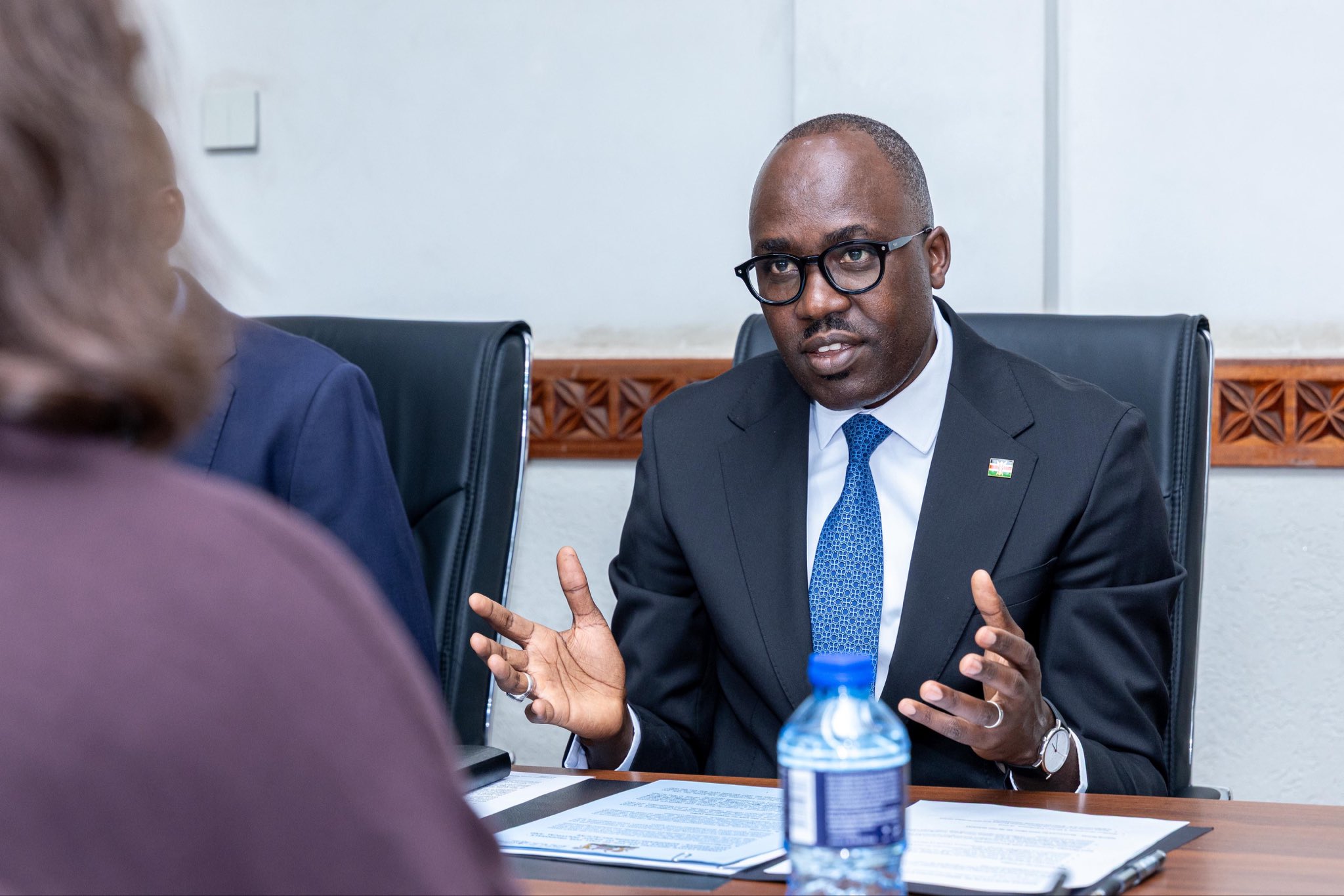
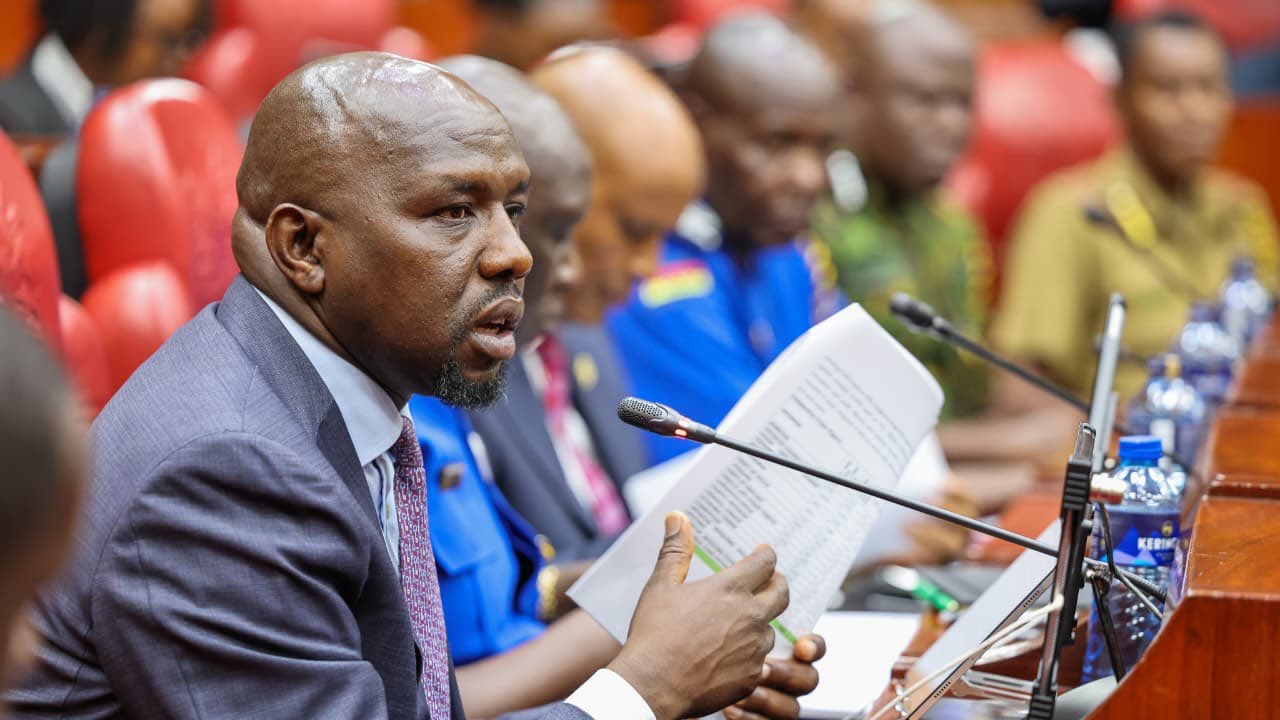
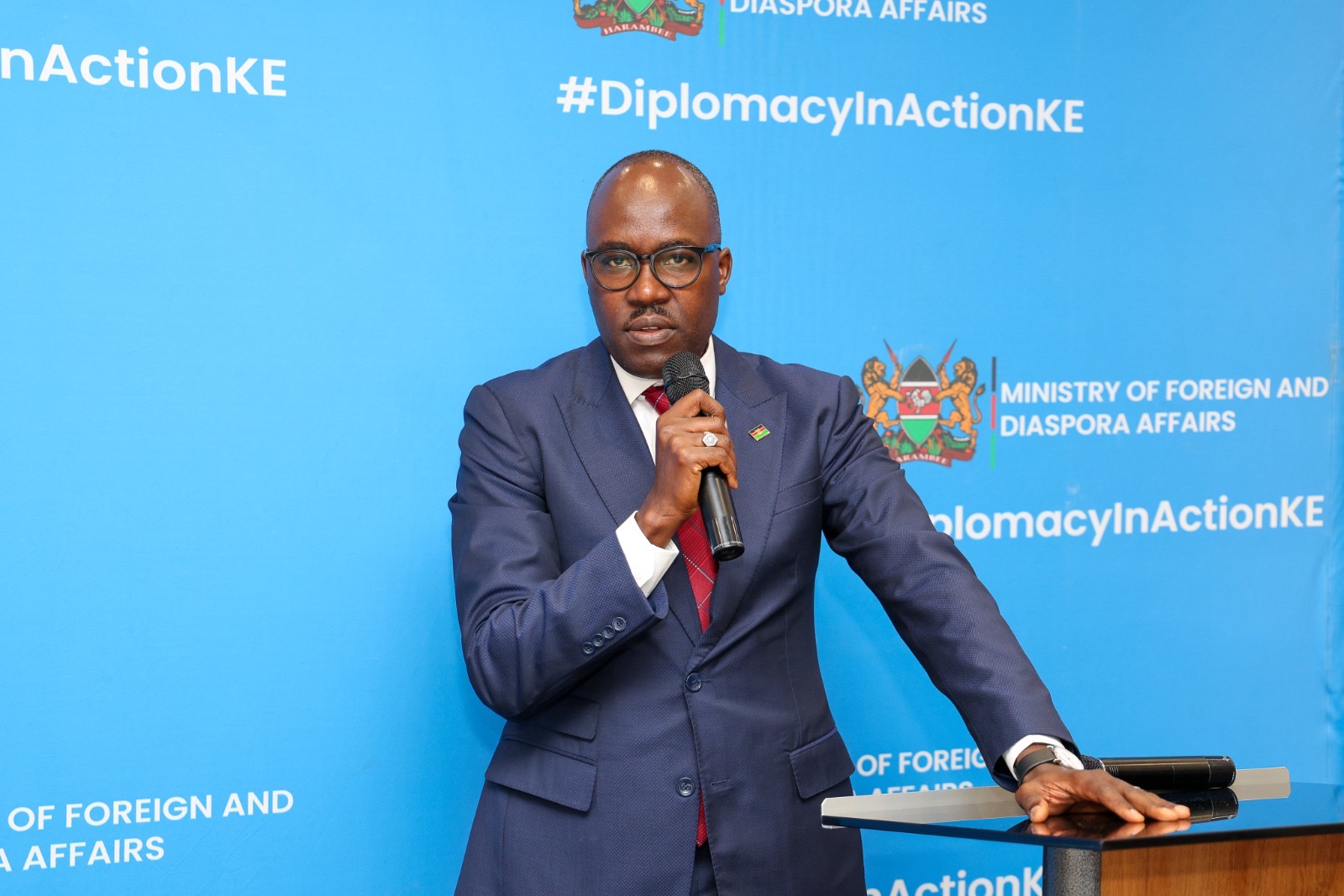
Appearing before the National Assembly’s Departmental Committee on Delegated Legislation on Tuesday, Sports Cabinet Secretary Salim Mvurya and Principal Secretary Fikirini Jacobs defended the regulations, insisting the intention is to strengthen the earnings of musicians and not to raise government revenue.
“These tariffs are not income for the government. This is income for talented musicians. If we have to compensate musicians per activity, a Sh100,000 annual fee will be much cheaper,” Mvurya said, while responding to concerns raised about charges linked to political activities.
Under the proposed political tariff structure, presidential candidates will pay Sh500,000, governors Sh200,000, senators Sh150,000, Members of Parliament and Woman Representatives Sh100,000, and Members of County Assembly Sh15,000. Political parties will continue paying a yearly flat rate of Sh600,000.
The new proposal marks a rise compared to the 2023 framework, with presidential campaign charges increasing from Sh400,000, governors’ fees going up by Sh50,000, senators’ charges rising from Sh100,000, MPs’ fees doubling, and MCAs facing an increase from Sh12,500.
According to the Gazette notice, “In exercise of the powers conferred by section 46A of the Copyright Act, the Cabinet Secretary for Youth Affairs, Creative Economy and Sports approves the consolidated music and audiovisual tariffs set out in the schedule and revokes the consolidated music tariffs issued under Legal Notice No. 84 of 2023.”
The projections show collective management organisations could generate at least Sh33.7 million from parliamentary candidates and about Sh16.5 million from gubernatorial and senatorial aspirants, based on minimum representation estimates.
The tariff structure also extends into transport systems, entertainment venues, digital platforms, and public institutions. Airports will pay Sh500,000, other airports Sh400,000, airstrips Sh200,000, and railway stations Sh100,000. Online platforms will be charged nine per cent of gross revenue, with a minimum fee of Sh300,000.
Aircraft operators are set to pay Sh900 per seat annually, with a minimum of Sh25,000 per aircraft. Amusement parks will pay Sh40,000 in cities and Sh25,000 in other areas, while training institutions will pay Sh20,000 yearly. Cinemas will be charged Sh60,000 annually, plus daily fees of Sh5,000 in urban areas and Sh2,000 elsewhere.
Nightclubs, casinos, and discotheques will pay Sh100,000 in urban centres and Sh75,000 outside cities. Hospitals have also been included, with Level 2 facilities paying Sh10,000 and Level 5 hospitals up to Sh200,000. Hotels, restaurants, and bars will pay 60 per cent of their single business permit fees.
Mobile DJs will pay Sh30,000 annually or Sh1,000 per event, while public service vehicles will be charged between Sh4,000 and Sh15,000 depending on seating capacity. Concerts will attract Sh50,000 for local shows and Sh100,000 for international events. Roadshows will cost Sh50,000 per truck for companies and Sh22,000 for other organisers.
Promotional campaigns will cost Sh1.1 million annually for corporate firms and Sh5,000 per event for small and medium businesses. Banking halls, gyms, and showrooms will pay Sh25,000 in urban areas and Sh15,000 in other locations. Salons, barbershops, and retail outlets will be charged between Sh3,000 and Sh5,000, while supermarkets may pay up to Sh200,000 annually depending on size.
Broadcasting institutions will be required to pay four per cent of net revenue, with minimum charges ranging from Sh100,000 for community stations to Sh500,000 for national radio stations. Pay television operators will pay Sh750,000, while digital broadcasters will be charged Sh250,000. Shopping malls will be billed between Sh150,000 and Sh300,000 per year.
The regulations further require all invoices to be cleared within 30 days, with a penalty of five per cent monthly interest on late payments. Daily events such as roadshows and promotions will require immediate settlement, while licences will remain valid for one year.
The Ministry explained that music is widely used in public events and political mobilisation globally, but noted that the use of copyrighted works in campaigns does not automatically qualify as fair use under the Copyright Act.
However, MPs raised questions over compliance with a 2025 High Court ruling that nullified earlier tariffs due to insufficient public participation. The committee warned that failure to meet constitutional requirements could render the new framework invalid.
“You cannot have regulations which have no penalties,” Chepkonga said, pressing the Ministry to show evidence of proper consultation to avoid another legal setback.
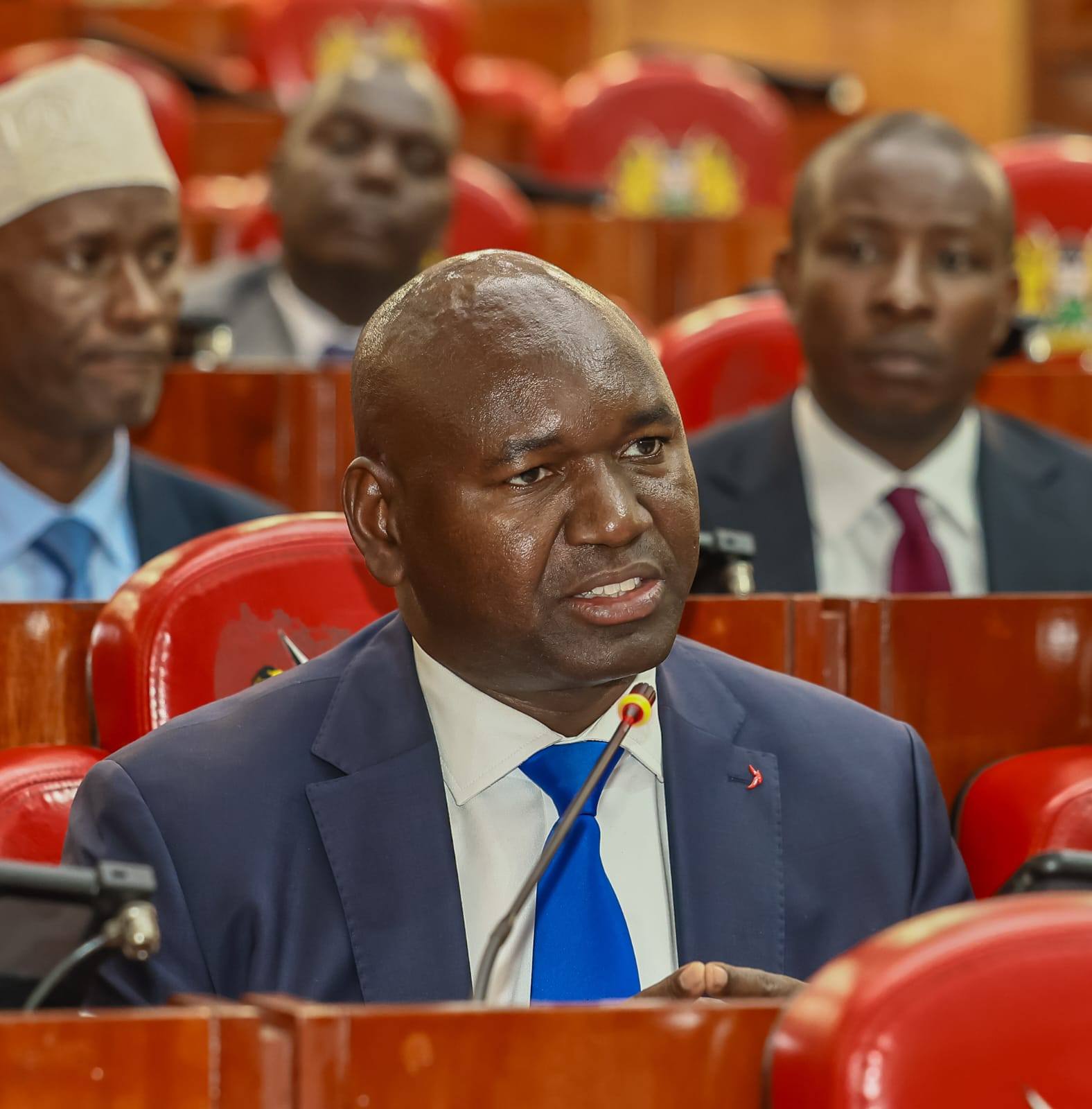
Garissa Town MP Dekoh Barrow challenged the inclusion of hospitals in the tariff structure, questioning its practicality. “I don’t know which hospitals play music. You are going to throw us under the bus,” he said, also seeking clarity on how foreign artists would benefit from the system. The Ministry said consultations were still ongoing.
Nyando MP Jared Okello raised concerns over the level of stakeholder engagement, noting that only 62 participants were involved in the process.
“I do not know whether 62 would be representative enough when you have to look at the face of Kenya,” he said.
He also cautioned that the Sh500,000 presidential campaign fee could distort political competition, stating, “Political competition should not be cost-prohibitive.”
Keiyo South MP Gideon Kimaiyo said the proposals were too heavy for small traders, especially salons and barbershops, describing the tariffs as “causing tremors and earthquakes.”
The committee directed the Ministry to return with proof of wider consultations, including input from hospitals, SMEs and other affected groups, and to revise the draft regulations before resubmission.
The framework, anchored under Section 46A of the Copyright Act (Cap. 130), will run from January 1, 2026 to December 31, 2028, but now faces uncertainty as Parliament pushes for major revisions before approval.





Comments
Sign in with Google to comment, reply, and like comments.
Continue with Google